
Niacinamide and vitamin C hold an iconic status in the skincare world. You’ve probably seen them everywhere: in serums, moisturizers, dark spot treatments, and glow-boosting formulas. But when choosing between them or using both, things can get a little confusing.
Each one offers powerful skin benefits, from brightening dull tone to reducing inflammation, improving collagen production, and strengthening the skin barrier.
But here’s the thing, they’re not the same. They work differently, they target different skin concerns, and not every routine needs both at once.
This guide breaks down everything you need to know, from how ascorbic acid works to why niacinamide products are often recommended for sensitive skin. Whether you’re battling dark spots, dryness, or just building your dream skincare routine, let’s help you figure out which one fits your skin best—and how to use them without irritation.
What Is Niacinamide?
Niacinamide and vitamin C are often compared in the skincare world, but they work very differently. Let’s start by understanding what makes niacinamide a true multitasker.
Niacinamide, also known as nicotinamide, is celebrated as one of the most versatile and gentle active ingredients, suitable for nearly all skin types, including sensitive, acne-prone, and dry skin.
Unlike many strong acids or exfoliants, niacinamide doesn’t cause peeling, stinging, or redness. That’s why board-certified dermatologists often recommend it as a starter-friendly ingredient, especially for those dealing with inflammation, irritation, or a weak skin barrier.
When niacinamide and vitamin C are paired, they stand out for their calming, balancing nature, making the niacinamide and vitamin C duo a hot topic in modern skincare routines.
It works steadily, delivering results over time, which makes it a great choice for building a long-term skincare routine focused on maintaining healthy skin.
You’ll often find niacinamide in serums, moisturizers, toners, sunscreens, and even makeup, often paired with other antioxidants, hydrating ingredients like hyaluronic acid, or exfoliants like salicylic acid for added benefits.
Key Benefits of Niacinamide 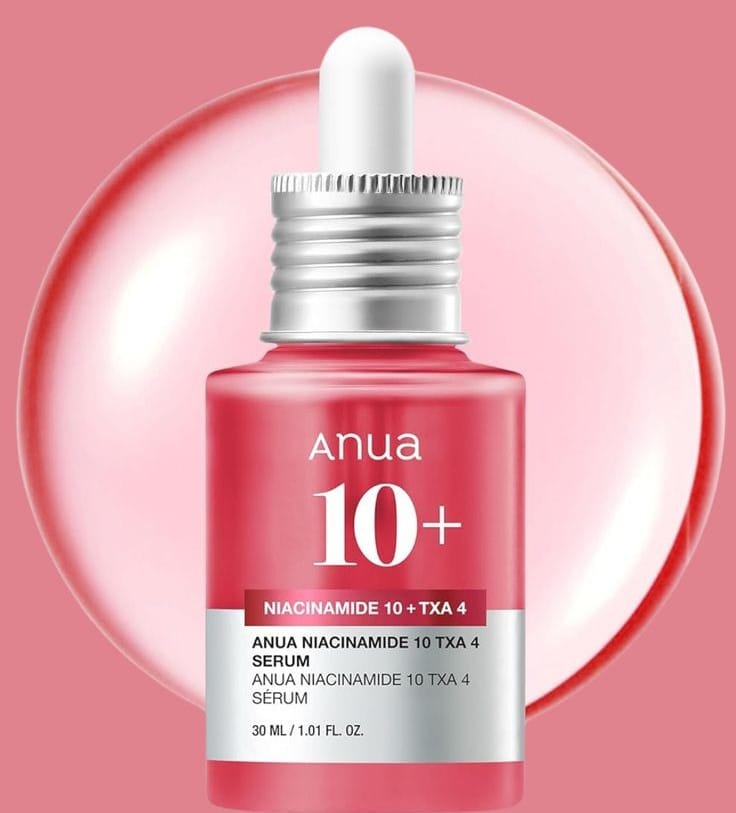
Strengthens the Skin Barrier
Niacinamide supports the production of ceramides and fatty acids, which are important for a strong skin barrier.
This helps lock in moisture and protect against environmental damage, pollution, and harsh weather, making it ideal for people with eczema, atopic dermatitis, or frequent dryness. Many people who can’t tolerate vitamin C turn to niacinamide for this very reason.
Reduces Inflammation
The anti-inflammatory properties in niacinamide calm red, irritated skin, making it helpful for treatment conditions like rosacea, acne vulgaris, and general sensitivity. It soothes the skin without blocking pores or causing flare-ups.
Fades Hyperpigmentation and Dark Spots
Research shows that regular use of 5% niacinamide serum can reduce dark spots and melasma over 8–12 weeks. It works by slowing down melanin transfer to the upper layers of skin, gently evening out skin tone without harsh bleaching. When used together, niacinamide and vitamin C can offer even better results for stubborn pigmentation.
Balances Oil Production
For those with oily or combination skin, niacinamide helps regulate sebum without drying you out. This makes it a go-to for preventing clogged pores and breakouts, especially when paired with salicylic acid.
Improves Collagen Production
Niacinamide can ultimately support collagen production, leading to fewer fine lines, better elasticity, and smoother texture over time. While it’s not as fast-acting as retinoids, it’s gentler and often better tolerated.
Minimizes Pore Appearance
It helps keep pores clear and boosts elasticity around the pore lining, making them look smaller. This smooths out the skin texture, especially when used daily in lightweight serums. Many users prefer pairing niacinamide and vitamin C for visible glow and smoothness without irritation
Fun Fact: Niacinamide isn’t just for the face! It’s found in body lotions, dark spot serums, and even some hair care products due to its role in improving the scalp’s barrier and reducing inflammation.
What Is Vitamin C?
When it comes to glow-boosting, brightening, and early anti-aging, Vitamin C is one of the most talked-about active ingredients in skincare. Scientifically known as ascorbic acid, this antioxidant plays a key role in skin repair, collagen production, and protection against environmental damage, especially from UV rays and free radicals.
Just like niacinamide and vitamin C work in different ways, Vitamin C stands out for its ability to visibly brighten dull skin, fade dark spots, and even reduce signs of photoaging like fine lines and discoloration.
That’s why it’s often included in your morning skincare routine, layered under sunscreen for an extra boost of antioxidant protection.
There are many forms of Vitamin C used in skincare products, but the most common are:
- L-Ascorbic Acid (the most potent + effective, but also more irritating)
- Sodium Ascorbyl Phosphate (gentler, stable, good for sensitive skin)
- Magnesium Ascorbyl Phosphate (hydrating and soothing)
- Ascorbyl Glucoside (brightening, slow-releasing formula)
Key Skin Benefits of Vitamin C 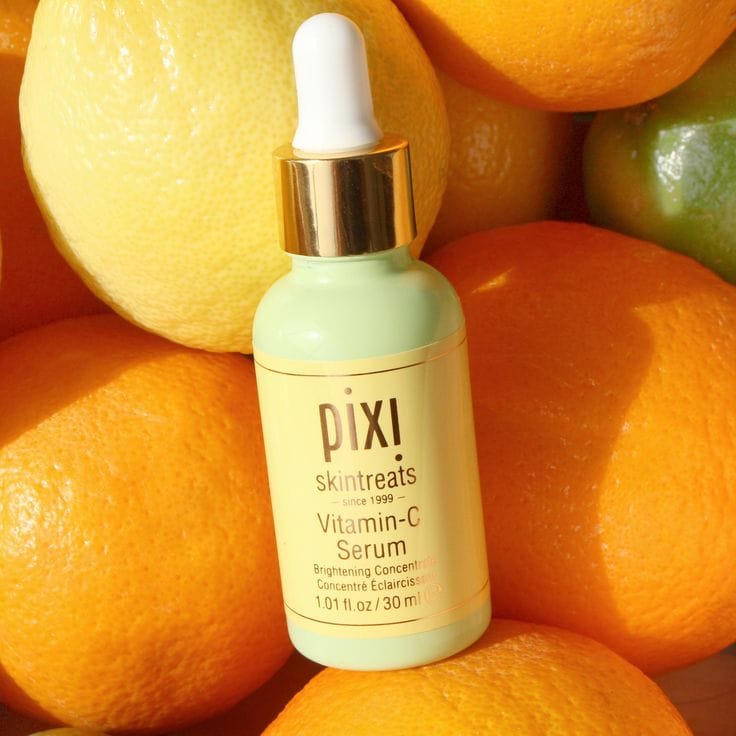
Brightens Skin Tone
One of Vitamin C’s biggest claims to fame is its ability to reduce dullness and uneven skin tone. It prevents melanin production and helps fade dark spots, sunspots, and acne scars, making your skin look visibly more radiant and even.
Boosts Collagen Production
Vitamin C plays a crucial role in stimulating collagen synthesis, which helps plump up the skin, reduce fine lines, and improve firmness. This makes it an ideal ingredient for those beginning to see signs of aging.
Provides Antioxidant Protection
As a powerful antioxidant, it shields the skin from free radicals caused by pollution, sun exposure, and stress. This means less inflammation, reduced oxidative damage, and long-term improvement in overall skin health.
Reduces Signs of Sun Damage
With regular use, Vitamin C helps fade sunspots and uneven pigmentation caused by UV exposure. It’s not a substitute for SPF, but it enhances your sunscreen’s effectiveness by neutralizing oxidative stress.
Supports Wound Healing & Repair
Vitamin C and niacinamide or hyaluronic acid help in repairing micro-damage on the skin and support barrier recovery.
However, Vitamin C can be unstable and sometimes irritate, especially in high concentrations or when mixed with other acid-based ingredients. If you’re new to it, always do a patch test and start with a gentle formula.
And now that we’ve explored both ingredients in depth, let’s move on to the most asked question in the skincare world: can you use niacinamide and vitamin C together?
Key Differences Between Niacinamide and Vitamin C
While niacinamide and vitamin C often appear together in skincare products, they’re two very different active ingredients with unique strengths. Understanding what sets them apart can help you choose the right product or build a balanced skincare routine tailored to your skin concerns.
Niacinamide (Vitamin B3)
Niacinamide is a water-soluble vitamin known for its capability to strengthen the skin barrier, reduce inflammation, and minimize dark spots and enlarged pores.
It’s especially gentle and well-tolerated, making it suitable for sensitive skin, acne-prone skin, and even rosacea. This ingredient is also effective at regulating oil production and improving skin texture.
It usually appears in serums, moisturizers, and even sunscreens, and is known for working well alongside other ingredients like retinol, hyaluronic acid, and salicylic acid.
Vitamin C (Ascorbic Acid)
Vitamin C, on the other hand, is a powerful antioxidant that brightens skin tone, boosts collagen production, and protects the skin against environmental damage and free radicals.
Its glow-boosting and anti-aging effects make it a favorite in dark spot serums and morning skincare routines.
However, certain forms of ascorbic acid can be unstable and more likely to cause skin irritation, especially at high concentrations or when used on compromised skin. It usually works best in the morning, layered under SPF for enhanced antioxidant protection.
When You Use Niacinamide and Vitamin C Together
The idea of combining niacinamide and vitamin C might’ve once been confusing, but modern research and product revolution have turned this combo into a skincare powerhouse.
When layered properly or used in a single formula, these two ingredients offer a gentle yet effective way to treat multiple skin concerns at once.
Dual Action Against Dark Spots
Both ingredients target hyperpigmentation from different angles. Vitamin C inhibits melanin production to fade dark spots, while niacinamide averts the transfer of pigment to skin cells and strengthens the skin barrier. The result? A visibly brighter, more even skin tone over time.
Collagen Boost + Barrier Support
Vitamin C increases collagen production, improving skin firmness and softening the look of fine lines. Niacinamide steps in to reduce inflammation, boost hydration, and support the natural repair process. Together, niacinamide and vitamin C help maintain youthful, healthy skin without irritation.
Antioxidant Protection & Calm
Vitamin C provides antioxidant protection against free radicals, UV damage, and pollution. Niacinamide, with its anti-inflammatory properties, soothes any potential irritation, making this combo a more balanced approach for even sensitive skin types.
Moisture + Glow
While Vitamin C brings that radiant glow, niacinamide improves moisture preservation by supporting the lipid barrier. This not only helps dry or flaky areas but also minimizes transepidermal water loss, keeping your skin hydrated, smooth, and visibly plump.
Compatible with Most Routines
When naicinamide and vitamin C are used together in the right sequence or formula, they don’t clash; instead, they fill in each other’s gaps. Vitamin C focuses on brightening and defense, while niacinamide calms, protects, and enhances skin texture. It’s a full-circle skincare moment that doesn’t overwhelm the skin.
In short, niacinamide and vitamin C together are like skincare’s version of balance and brilliance, a glow without sensitivity, power without the punch. They work better together, especially when paired with a consistent skin care routine and daily SPF.
How to Add Niacinamide and Vitamin C into Your Routine
When used thoughtfully, niacinamide and vitamin C can fit beautifully into any skincare routine. But since each has its texture, pH level, and strength, the key is to layer them in a way that protects your skin barrier and gives you the full range of skin benefits without irritation.
Here’s how to do it right, no overthinking needed.
Option 1: Use Vitamin C in the Morning, Niacinamide at Night
This is one of the simplest ways to get the benefits of both without layering.
Morning: Apply a vitamin C serum after cleansing and before moisturizer or SPF. It gives your skin a burst of antioxidant protection for the day ahead.
Night: Use a niacinamide serum after cleansing in the evening to calm, hydrate, and repair your skin overnight.
This split method works beautifully for sensitive skin, oily types, or anyone just starting.
Option 2: Layering Niacinamide and Vitamin C Together
Many modern skincare products are formulated to make layering easier, meaning you can now use niacinamide and vitamin C in the same routine.
Start with a gentle cleanser to prep your skin.
Apply your vitamin C serum first since it’s usually more acidic and should go on clean skin.
Follow with a niacinamide serum and moisturizer once the first layer absorbs.
Finish with SPF in the morning or a nourishing moisturizer at night.
Pro Tip: Always do a patch test if you’re trying a new combo, especially if your skin is reactive or if you’re using high concentrations.
Option 3: Choose a Serum That Combines Both
If you prefer minimal steps, look for a serum or moisturizer that includes both ascorbic acid and niacinamide in one formula. Many brands are now blending these active ingredients at skin-safe levels to deliver glow, tone correction, and hydration all in one go.
Just make sure it comes from a brand that uses stabilized vitamin C, and bonus points if it includes other soothing ingredients like hyaluronic acid, ferulic acid, or ceramides.
Pro Tip: Always apply your serums on slightly damp skin, and give each layer a few seconds to absorb before moving on to the next step. Consistency beats quantity.
When Niacinamide and Vitamin C Don’t Play Nice
Used correctly, niacinamide and vitamin C are among the most skin-friendly active ingredients available today. Still, depending on your skin type, product formulation, or application method, they may trigger certain side effects, especially when used in high concentrations or alongside other strong actives.
Mild Irritation and Redness
Some users may experience a mild tingling sensation, especially when starting with a high-strength ascorbic acid serum or applying both actives at once.
According to a study published in the Journal of Cosmetic Dermatology, up to 13% of users reported temporary redness when using vitamin C serums above 15%. This risk increases when paired with exfoliating acids or if the skin barrier is already compromised.
To reduce the chances of irritation, begin with a low concentration (5–10%) of vitamin C and pair it with niacinamide serums that contain hydrating bases like hyaluronic acid.
Using them in separate routines, vitamin C in the morning and niacinamide at night, can also help ease your skin into the new combo.
Product Overlap and Ingredient Clashing
Layering multiple skincare products with the same actives, like using both a niacinamide toner and a serum, can overwhelm your skin or cause pilling. Excess layering also reduces the absorption and effectiveness of each ingredient.
Dermatologists recommend choosing one high-quality product per active, such as a stabilized vitamin C serum in the AM and a lightweight niacinamide moisturizer in the PM. This helps avoid overuse while maintaining consistent skin benefits.
Sensitivity to Sun and Environment
Though niacinamide is photo-stable, vitamin C becomes less effective (and even irritating) when oxidized by light or air. Oxidized vitamin C can potentially worsen skin sensitivity, especially without SPF.
To protect your skin, use a broad-spectrum sunscreen daily, ideally SPF 30 or higher, and store your vitamin C products in dark, airtight packaging away from heat or light.
The Power of Patch Testing
While niacinamide and vitamin C are generally acceptable across most skin types, it’s still wise to perform a patch test, particularly if your skin is prone to eczema, rosacea, or dermatitis. Apply a small amount of the product near your jawline and wait 24 hours. If there’s no redness, itching, or bumps, it’s safe to continue.
Final Thoughts
In the ever-evolving skincare world, combining niacinamide and vitamin C is no longer a question of if but how. When used thoughtfully, these two powerful ingredients can complement each other beautifully, targeting a wide range of skin concerns like dark spots, dullness, fine lines, and uneven skin tone.
Instead of choosing one over the other, pairing them allows you to shine in the brightening effects of vitamin C and the barrier-strengthening benefits of niacinamide, all while supporting your skin’s natural balance!
You can apply them in the same routine or space them out between AM and PM; both approaches lead to a healthy, glowing complexion over time.
Just remember, no product implements magic overnight. Stick to what suits your skin type, listen to how your skin responds, and give it time to adjust.
A little patience goes a long way when you’re building a routine for healthy skin that truly glows.
Want to know which one your skin needs most?
Take our Skin Type Quiz to find your perfect match and build a routine that works for you.
No responses yet