Uneven skin tone on the face can make your complexion look dull, patchy, or just not as bright as it used to be. This is a common concern for many people and can develop due to sun damage, acne scars, or uneven skin pigmentation like melasma.
The good news is that you can improve your uneven skin tone with the right care and bring back a healthy, glowing look. Using good products and sticking to a simple skincare routine can help.
Let’s learn how uneven skin tone develops, explore effective treatment options, and find out which ingredients can help create a more even, glowing complexion.
What Uneven Skin Tone Means
Uneven skin tone means some parts of your face/skin are darker or lighter than others. It can make your complexion look blotchy, patchy, or tired. This usually happens because of too much or too little melanin. Melanin is the pigment that gives color to our skin.
How This Skin Tone Looks on Different Skin Types:
Skin tone irregularities look different depending on your skin type.
If you have darker skin, you might notice more dark spots (hyperpigmentation).
For lighter skin, you may see redness or lighter patches.
Uneven skin tone on your face can show up anywhere, especially in areas that get a lot of sun, like your forehead, cheeks, and chin
What Causes Uneven Skin Tone Naturally?
There are several natural reasons why uneven skin tone may develop. Some of the most common causes include:
Sun Exposure:
UV rays from the sun can trigger the skin to produce more melanin, leading to dark spots or sun spots.
Acne and Inflammation:
After a pimple or irritation heals, it can leave a dark mark.
Hormonal Changes:
Pregnancy, birth control, or hormone changes can cause melasma, which looks like dark patches on your skin.
Aging:
As you get older, your skin’s ability to make even color fades, causing spots.
How Uneven Skin Color Differs from Pigmentation Issues
What Is Uneven Skin Color?
A dull or patchy complexion usually happens because of outside factors like the sun’s UV rays. Over time, you may get dark patches or sunspots. These mostly affect the top layers of your skin.
What Is Uneven Skin Pigmentation?
Uneven skin pigmentation happens when your skin’s melanin production is not balanced. This can cause dark spots (hyperpigmentation) or lighter patches (hypopigmentation). Conditions like melasma or scars from acne often lead to uneven pigmentation.
Uneven Skin Color vs. Uneven Skin Pigmentation
The main difference is where the problem happens:
Uneven skin color is more on the surface and usually comes from sun exposure.
Uneven pigmentation goes deeper into the skin, affecting melanin-producing cells.
Knowing the difference can help you choose the right treatment.
Main Causes of Tone Imbalance:
Sun Damage and UV Exposure:
Sun damage is a major cause of uneven skin tone. UV rays can cause sun spots, dark patches, and age spots by making the skin produce too much melanin.
Using a sunscreen with SPF 30 or higher every day is very important to protect your skin.
Acne Scars and Inflammation:
When you get acne, it can sometimes leave dark spots after it heals. These spots make your skin look patchy. Using gentle products with ingredients like glycolic acid or retinol can help fade the marks slowly.
Hormonal Changes and Melasma:
Changes in your hormones, like during pregnancy or while using birth control, can lead to melasma. This looks like brown or gray-brown patches on areas like your forehead, cheeks, or upper lip. Special skincare products and treatments can help lighten melasma.
Environmental Stressors and Pollution:
Pollution, smoke, and harsh weather can be tough on your skin. They weaken your skin’s natural barrier and make it harder for your skin to stay healthy. This damage can lead to dark spots and a blotchy complexion.
Genetics and Aging Factors:
Genetics and getting older can affect your skin tone. As you age, your skin makes less collagen and melanin, which can lead to dark spots and uneven color. These changes are a normal part of how skin ages over time.
Can Discolored Skin Be Fixed?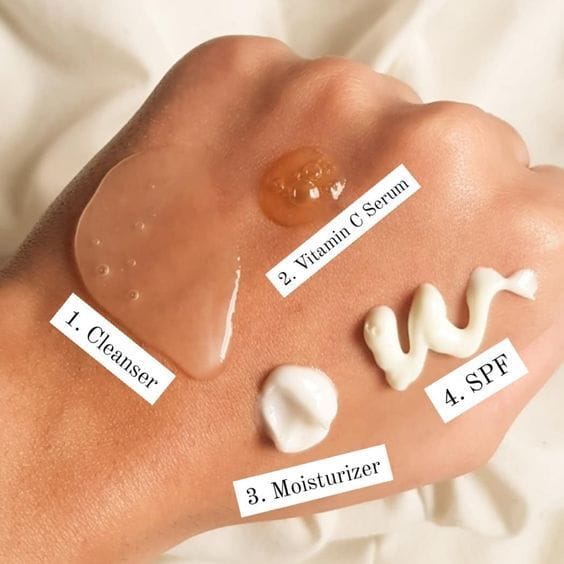
Yes! Uneven skin tone treatment is very possible with the right skincare routine and consistency. Products like brightening serums or treatments like chemical peels and laser therapy can help bring balance to your complexion over time.
How Long Does It Take to See Results?
How fast your skin improves depends on how unbalanced it is and what kind of care you’re using. Some treatments for uneven skin tone show changes in weeks, while others take months. The most important thing is to stick with your routine and wear sunscreen every day to stop more damage.
Why Gentle, Consistent Care Is Important?
Being kind to your skin helps it heal better. If you scrub too hard or use strong products, your skin can get irritated and look worse. The best way to treat uneven skin tone is through mild routines that repair your skin barrier while fading dark spots slowly.
How to Care for Skin Tone Gently
Taking care of Inconsistent pigmentation starts with gentle, smart choices.
Always wear a broad-spectrum sunscreen with SPF 30 or higher, even on cloudy days. This helps protect your skin from sun damage and prevents more dark spots from forming.
Gently exfoliate your skin to remove dead skin cells and reveal a smoother look. Use mild ingredients like glycolic acid or lactic acid. Don’t scrub too hard, or you might irritate your skin.
To brighten and even out your skin tone, add serums with helpful ingredients like vitamin C, niacinamide, alpha arbutin, and licorice root. These are great for fading dark spots and calming uneven areas, especially for sensitive skin.
Keep your skin strong and healthy with a good moisturizer. Look for one that includes ceramides, hyaluronic acid, or squalane to lock in moisture and protect your skin from pollution and dryness.
Lifestyle Tips to Support an Even Complexion:
Nutrition for Skin Health:
Eating foods rich in vitamin C, omega-3 fatty acids, and antioxidants can boost collagen production and help protect your skin from sun damage, supporting a more even tone.
Managing Stress and Sleep:
Feeling stressed all the time or not getting enough sleep can make your skin look more unequal. That’s because it affects your hormones and slows down how fast your skin heals. Doing things that help you relax and sleeping at least 7 to 9 hours each night can keep your skin healthy and glowing
The Power of Daily Hydration:
Drinking plenty of water helps keep your skin strong, clears out waste from your body, and makes your skin feel soft and stretchy. This all helps your skin look smoother and more even.
FAQS
Why is my skin tone uneven?
Uneven skin tone can appear due to sun exposure, acne marks, hormones, pollution, or simply aging. These factors disrupt melanin production and create dark spots or patches that make your tone look uneven.
Which serum is best for uneven skin tone?
Serums containing Vitamin C, niacinamide, alpha arbutin, or licorice root extract work well to brighten dark spots, smooth out the skin, and even out the complexion.
Why does my skin feel uneven when I touch it?
If your skin feels bumpy or rough, it could be due to clogged pores, skin buildup, or dryness. Gentle exfoliation and regular moisturizing can help make your skin feel smoother.
What causes uneven skin tone under the eyes?
Darkness or uneven tone under the eyes is often caused by lack of sleep, thinning skin, or sun exposure
Can tretinoin treat uneven skin tone?
Yes, tretinoin (a form of vitamin A) is often used to fade dark spots and improve skin texture. But it should be used under a doctor’s advice, especially if you have sensitive skin.
Can uneven skin tone be fixed naturally?
Yes, natural care can help. Drinking enough water, eating a healthy diet rich in vitamins, and using gentle skincare products may support a more even tone ,but it usually takes time and consistency.
Wind Up:
Achieving an even skin tone doesn’t happen overnight, but with steady care and the right routine, real improvements are possible. Uneven skintone can fade with the right care and time. Focus on daily sun protection, mild exfoliation, and ingredients that brighten and support your skin barrier. Your glow comes from how well you care for your skin inside and out.
Want to understand your skin even better? Learn more about what causes dullness and how to fix it in our guide: Discover the Skin Type That Lacks Luminosity.
No responses yet